Get found

Stop paying for clicks from people who were never going to buy.

Spend that goes to the searches with buying intent behind them, and stops going to the ones without.

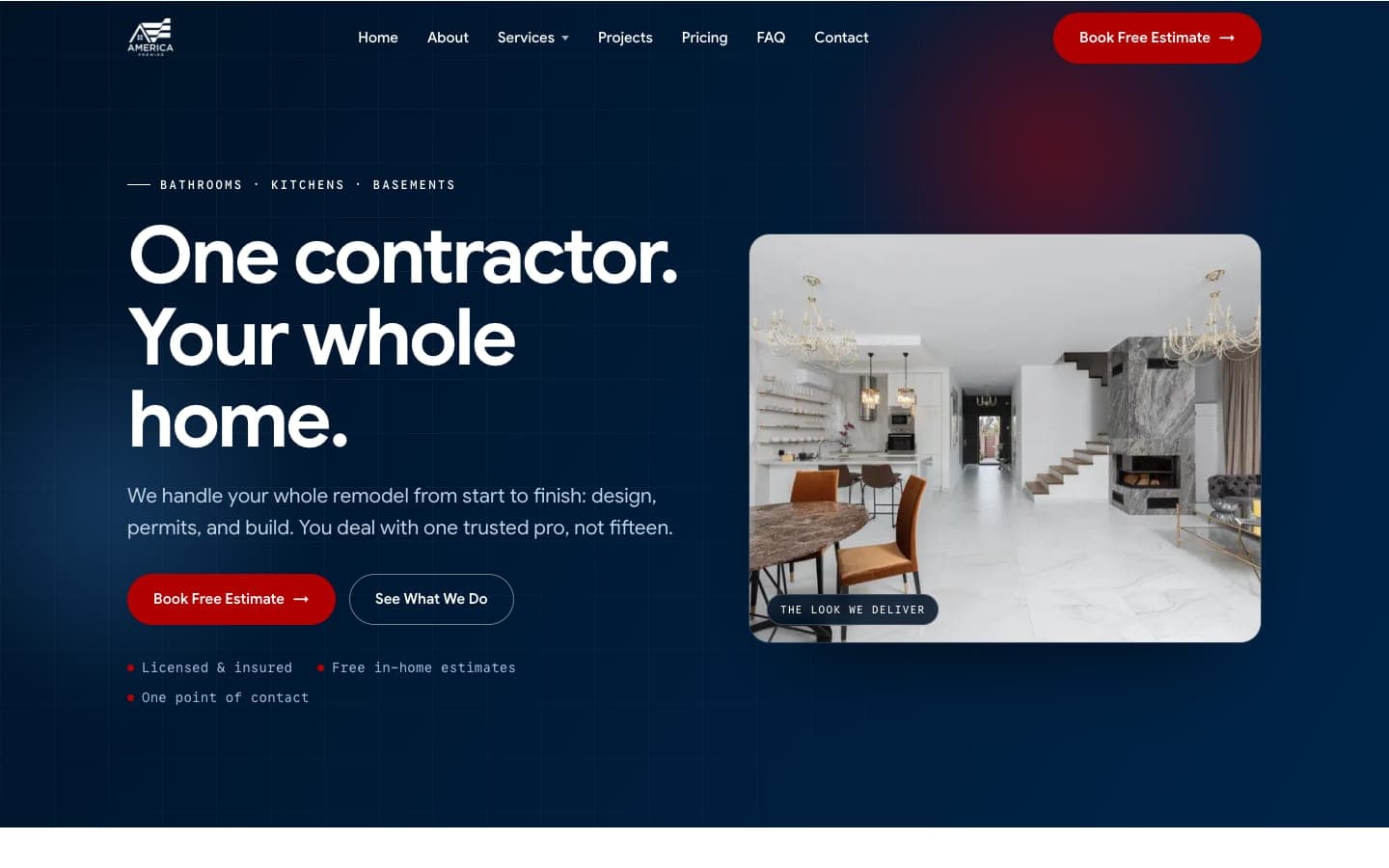
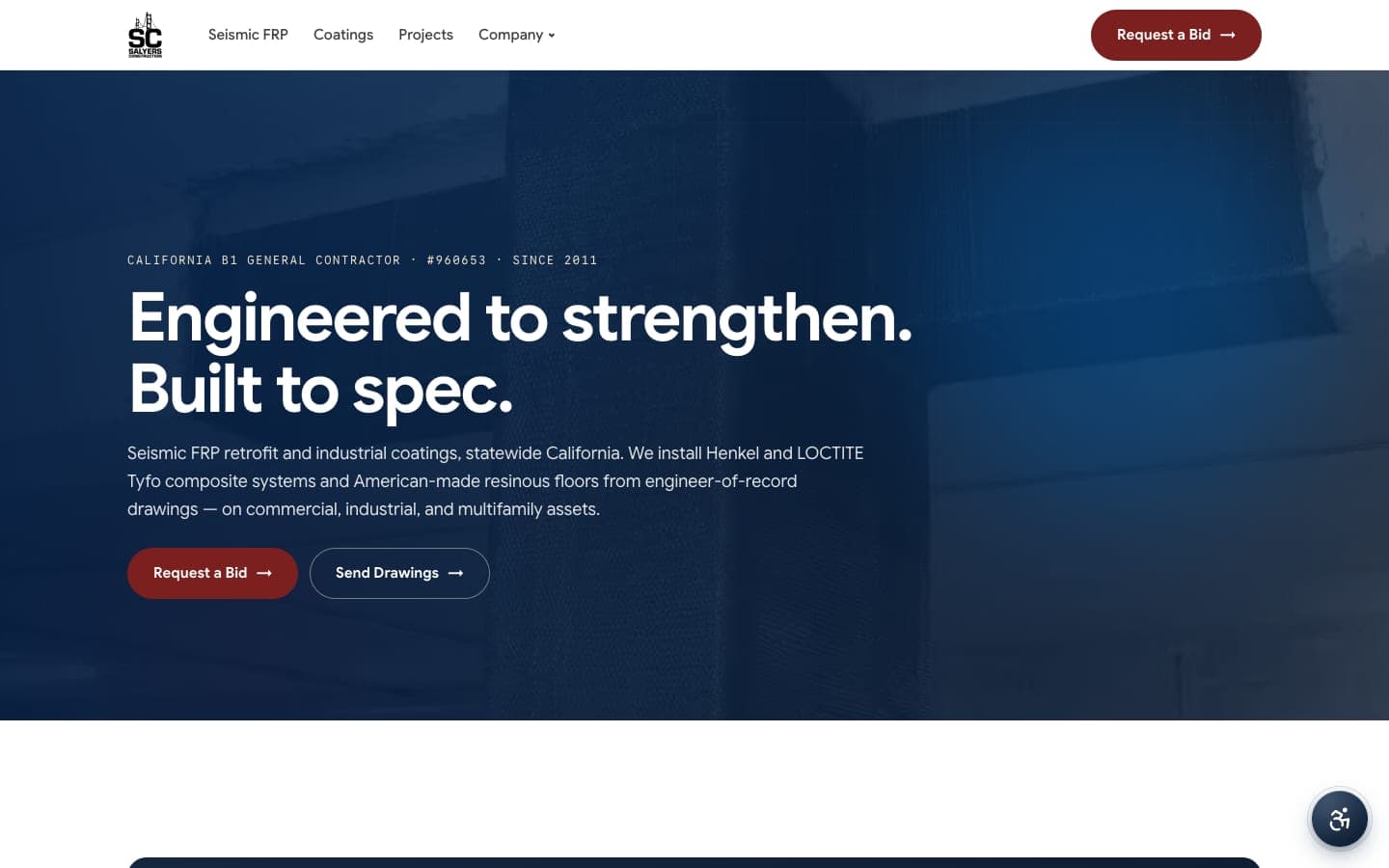
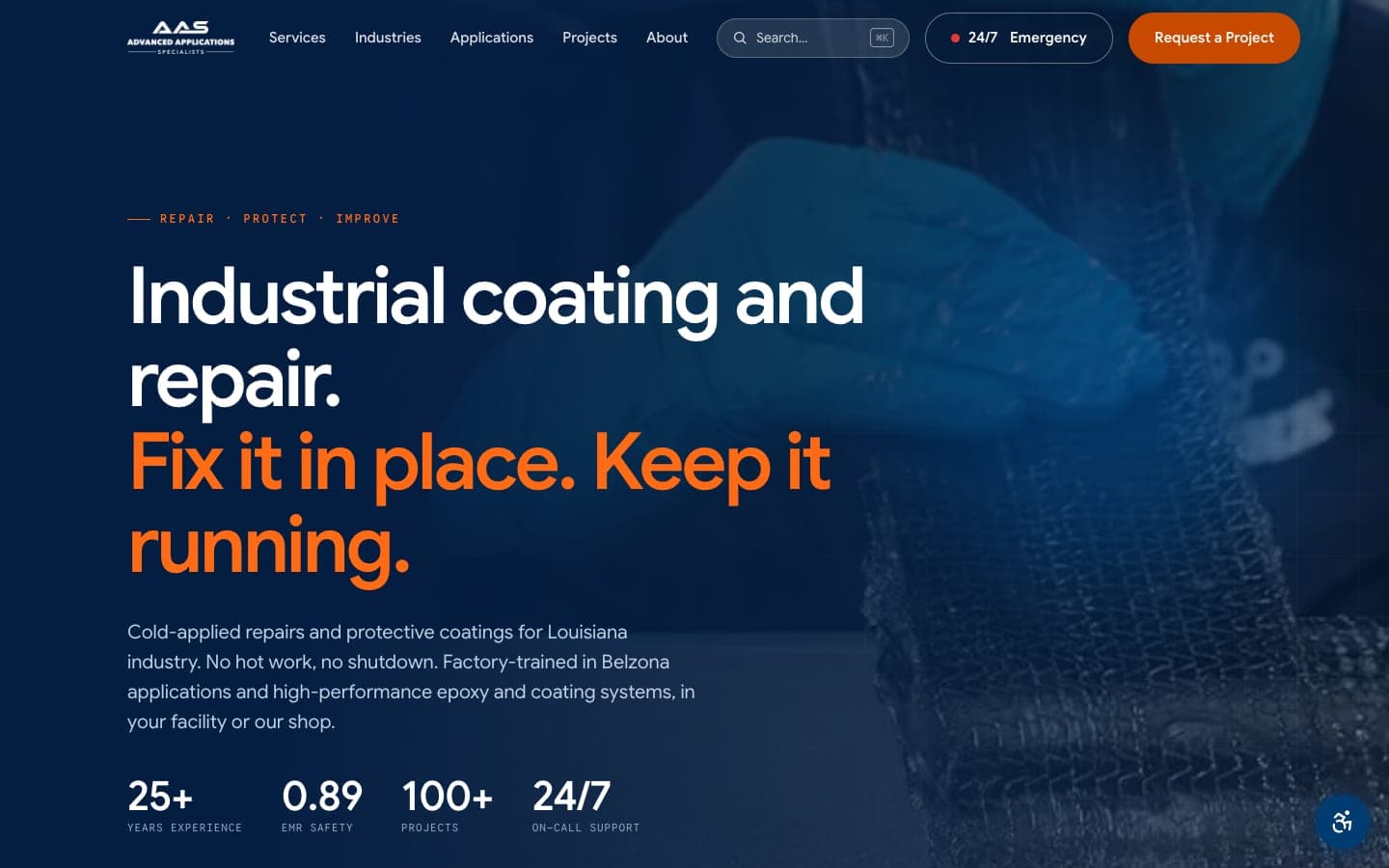
Paid ads · proven on 3 live builds

Why people call

If any of these is true

  • The reports look good and the phone does not ring.

  • Your ads point at a homepage that answers a different question.

  • Nobody can tell you which ad produced the customer you actually closed.

How it works

The technical part

Open what you care about. Nothing here is required reading to hire us.

Overview

Most agencies run ads into a site they did not build and cannot change. We build both halves: the campaign and the page it lands on, the pixel and the server-side events behind it, the consent layer, and the route into your CRM. The plumbing is where the money quietly leaks. In an audit of 2,000+ accounts, 34% of server-side tagging setups were non-compliant because Consent Mode was wired incorrectly, and 41% of migrations without event deduplication produced an artificial 30% ROAS lift that held for about 14 days before collapsing. We wire it once, correctly, because we own the page it fires on.

One system, not two vendors

The ad, the page, the tracking, and the CRM handoff come from the same hands, so there is no seam between the agency that spends the money and the studio that owns the code.

Consent first, or the data is a liability

Twelve US states now require honoring universal opt-out signals, and a March 2026 audit of 7,634 sites found 55% still set advertising cookies after a Global Privacy Control opt-out. We gate the tags before we chase the conversion.

Honest about what attribution proves

Across 663 randomised Facebook experiments, the best observational attribution method still missed true causal lift by a median of 24% at the bottom of the funnel and 83% at the top. We instrument carefully, then tell you which numbers to trust and how far.

What this covers

Four things, first one matters most

Meta pixel, lead ads & Conversions API

Pixel, standard and custom events, native lead forms, and server-side event forwarding with deduplication, so a browser event and a server event get counted once instead of twice.

Audiences & suppression

First-party audiences synced to Meta and Google Ads from data you own, with converted customers suppressed so you stop paying to reach people who already bought.

Attribution capture & CRM routing

utm, gclid, and fbclid persisted to session storage on landing and attached to every lead, then routed into GoHighLevel or HubSpot mapped to your real fields.

Landing pages that match the ad

The page is built for the campaign instead of pointing paid traffic at a generic homepage. Median landing page conversion across industries sits at 6.6%, and the gap between a matched page and a homepage is most of the account's performance.

Receipts

Numbers from live builds

  • Estimate requests fanned out to GoHighLevel and email in parallel, so a lead never rides on a single integration
  • 33 opt-in consent jurisdictions gated before a marketing tag is allowed to fire
  • Sub-one-second mobile load on the 478-page site the campaigns point into
  • A consent-aware first-party pixel, with geo-gated identity resolution that fails closed

What you get

What is in your hands

  • Meta and Google Ads tracking installed in your codebase, not pasted into a tag manager nobody owns
  • Conversions API forwarding with event deduplication verified against the platform's own match reporting
  • First-party audience and suppression syncing to Meta and Google Ads
  • First-touch attribution captured on landing and attached to every lead that reaches your CRM
  • Lead routing into GoHighLevel or HubSpot with the payload mapped to your fields
  • Campaign landing pages built on the same component system as the rest of your site

Straight answers

What this does not do

You have been oversold once already, so here is exactly where the line is.

  • Platform attribution overstates. Across 663 randomised Facebook experiments the best observational method still missed true causal lift by a median of 24% at the bottom of the funnel and 83% at the top. We instrument carefully, then tell you which numbers to trust and how far.

  • Ads cannot rescue a weak offer. If the thing being sold is not compelling, more spend just finds out faster.

  • We do not run accounts we cannot instrument. If the tracking cannot be wired correctly on the page the ad lands on, the reporting is fiction and we will not pretend otherwise.

Before you ask

Four questions about this one

Do you take a percentage of spend?
No. Scope is quoted as work, so our incentive is not to talk you into a bigger budget.
Why does it matter that you built the site too?
Because the leak is usually in the plumbing between them. In an audit of 2,000+ accounts, 41% of migrations without event deduplication produced an artificial 30% ROAS lift that collapsed in about 14 days. We wire it once, correctly, because we own the page it fires on.
Where do the leads go?
Into your CRM, mapped to your real fields, with utm, gclid and fbclid attached. We have fanned estimate requests out to GoHighLevel and email in parallel so a lead never rides on one integration.
What about consent?
The tags are gated before the conversion is chased. Twelve US states now require honoring universal opt-out signals, and a March 2026 audit of 7,634 sites found 55% still set advertising cookies after a Global Privacy Control opt-out. Ours do not fire.

Tell us what you need

Six questions, no call required, and you get a written scope, a fixed price and a timeline.

Start the brief